Why Are Rescue Breaths So Important in CPR
When a person stops breathing, every second counts. Oxygen is the body’s life fuel, and without it, the brain can begin to suffer irreversible damage in just a few minutes. This is where rescue breaths come in — a simple but lifesaving skill that can dramatically improve someone’s chances of survival.
What Are Rescue Breaths?
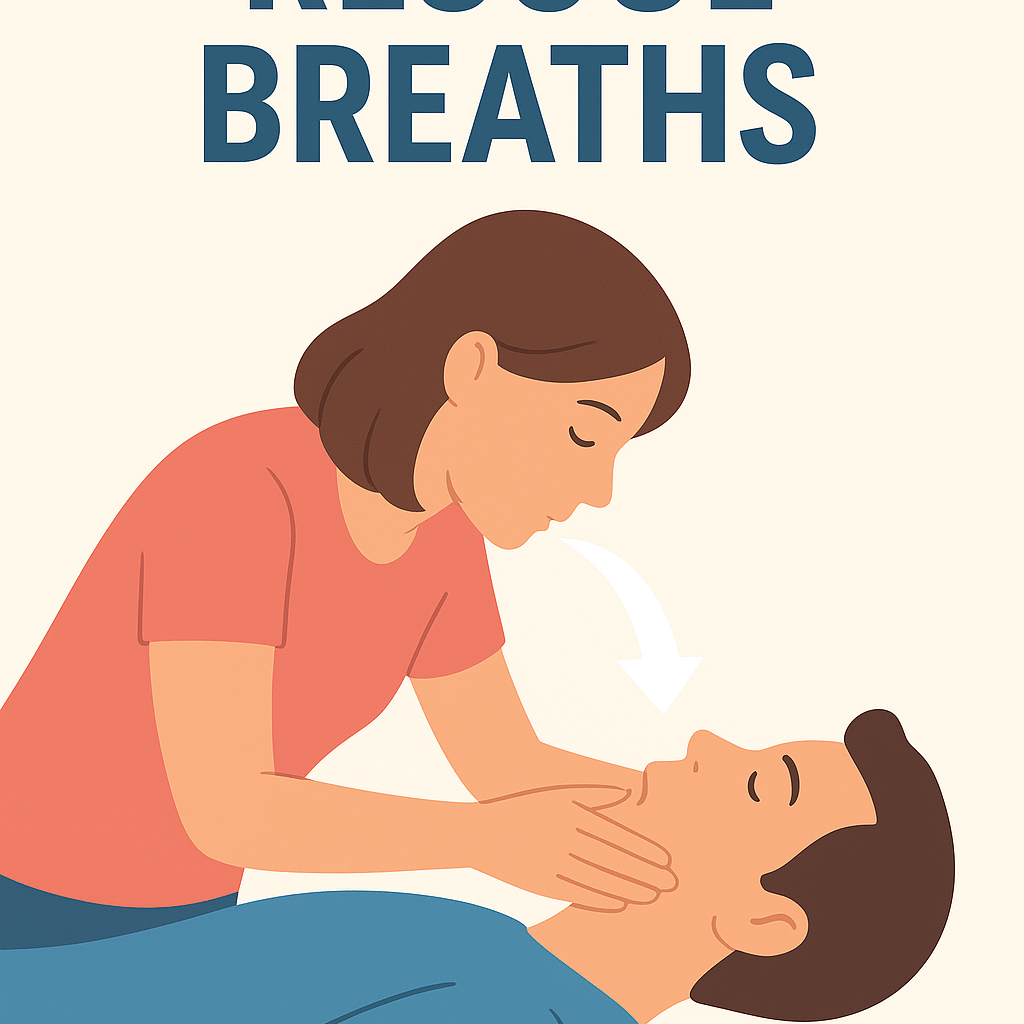
Rescue breaths are a first aid technique used during CPR (Cardiopulmonary Resuscitation) to provide oxygen directly to a person who has stopped breathing or whose breathing is ineffective. By sealing your mouth over theirs and blowing air into their lungs, you are effectively acting as their life support until emergency services arrive.
Why Oxygen Matters
Our bodies can survive for a short time without food or water, but without oxygen, brain cells begin to die within 3–4 minutes. Rescue breaths deliver that oxygen straight into the casualty’s lungs, keeping the brain and vital organs alive until normal breathing is restored or advanced medical help takes over.
When Rescue Breaths Are Critical
While chest compressions help keep blood circulating, they do not supply oxygen on their own. In certain emergencies, rescue breaths are especially important, including:
-
Drowning incidents – where the primary issue is lack of oxygen.
-
Children and infants – who often suffer breathing problems before the heart stops.
-
Choking or airway obstruction – after the airway is cleared, oxygen still needs to be restored.
-
Drug overdoses or respiratory arrests – where the person’s breathing has slowed or stopped.
In these situations, combining rescue breaths with chest compressions gives the casualty the best possible chance of survival.
The Science Behind Survival
Studies show that CPR with rescue breaths can double or triple the chances of survival in cases where the cardiac arrest is caused by a breathing problem. This is because chest compressions alone won’t re-oxygenate the blood — and without oxygen, the heart and brain cannot recover.
Overcoming Common Concerns
Some people hesitate to give rescue breaths because they’re worried about disease transmission or doing it wrong. Here’s the truth:
-
You can use a CPR face shield or pocket mask to protect yourself.
-
Even imperfect rescue breaths are better than none — partial oxygen is still valuable.
-
If you’ve had training, trust your skills. If you haven’t, consider taking a certified first aid course to build confidence.
In Summary
Rescue breaths are more than just “blowing air” — they are a vital part of keeping oxygen flowing to the brain and organs when someone’s life hangs in the balance. Combined with strong, rhythmic chest compressions, they give a person the best chance to survive until professional help arrives.
If you haven’t learned CPR with rescue breaths yet, now is the perfect time. Training takes just a few hours, but the skills could save a life.